
A Note on the Day of Thanks
First Plymouth Practice of Thanksgiving—and Our Regional Thanksgivings
Long before 1621, the Wampanoag practiced daily and seasonal gratitude ceremonies on this land for over 12,000 years. When the Mayflower arrived in 1620, the Wampanoag Great Sachem Ousamequin (Massasoit) entered a strategic alliance with the English in March 1621. The Mayflower Compact, signed that November, established a “civil body politic” among the Pilgrims—our Hopkins, Snow, Hathaway, and Warren ancestors among them. The autumn 1621 gathering of roughly 90 Wampanoag men and 50 colonists over three days was later reframed as the “First Thanksgiving.” In 1675, King Philip’s War (Metacom’s War) began—a devastating conflict in which our families were involved, followed by efforts to create peace. This year marks the 350th anniversary of that war’s outbreak.
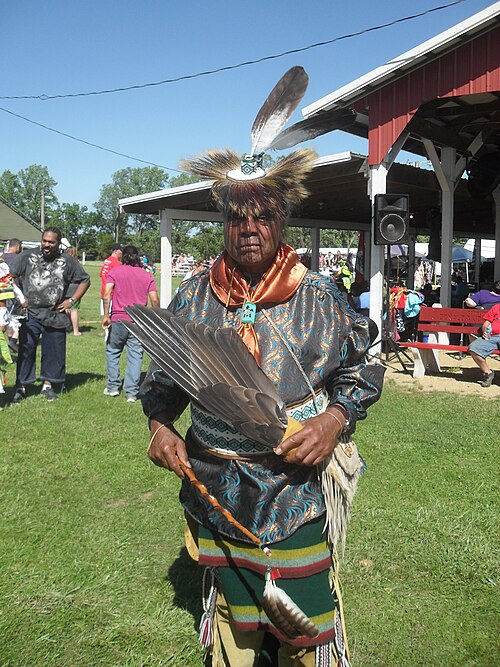
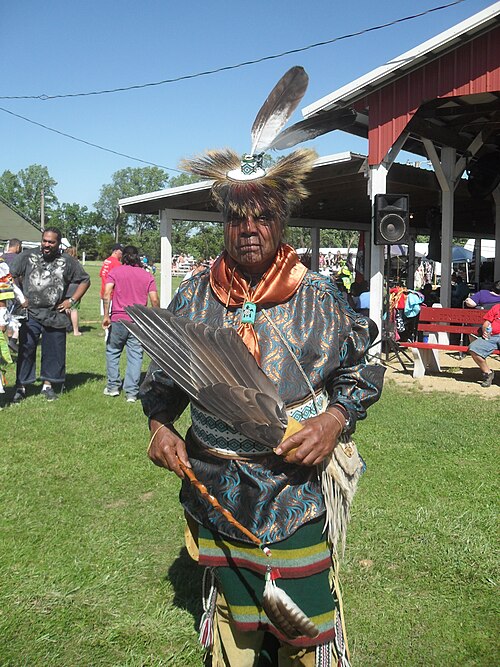
Today, many Wampanoag and allies observe Thanksgiving as the National Day of Mourning (since 1970) at Cole’s Hill in Plymouth. We hold both gratitude and history at this table.
But our family’s story does not begin and end in Plymouth. It also runs through the sandy coastal plains, pine barrens, and tidal rivers of our own region’s East and West Jersey, Delaware Valley and out to the bays and wetlands. Lenni-Lenape, Nanticoke, and Powhatan homelands have settled and given resources through the 350-plus years of a Quaker experiment here in South Jersey. Our Lenape relations have a saying; “We are All related.” They practice ceremonies of gratitude for the harvest; for fish runs, for deer and for cranberry bogs. They give daily thanks long before an English ship dropped anchor off Cape May or Burlington. Our Nanticoke relations, who migrated up the Delmarva and into southern New Jersey, carry traditions of thanksgiving rooted in rhythms Chesapeake and Delaware seeded. Powhatan peoples of a Virginia tidewater, with whom some of our Quaker ancestors traded and sometimes worshiped, had harvest and first-fruits ceremonies they brought to Mt Holly. These are first thanksgivings of our region. They deserve a place at our table.
When Quakers arrived in the 1670s and 1680s—with William Penn’s “Holy Experiment” stretching across the Delaware, and with Burlington and Salem and Greenwich Meetings taking root—they brought a particular sensibility about gratitude. Friends did not set aside a single day for thanksgiving; they understood gratitude as a daily discipline, a gathered silence in which thanks could rise without ceremony. Yet they also knew the value of the common meal. The Quaker potluck—the covered dish, the shared casserole, the meetinghouse kitchen buzzing before a Fifth Day dinner—is itself a form of thanksgiving: abundance received, abundance shared, no one turned away.
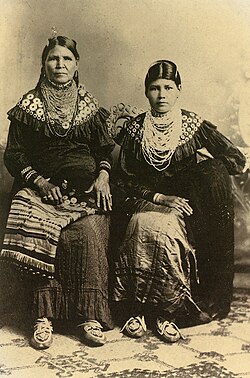
Our region’s thanksgivings have always been plural. The Lenape and Nanticoke and Powhatan gave thanks in their own ways; the Quakers gave thanks in theirs; and over three and a half centuries the two have interwoven—sometimes painfully, sometimes beautifully—into something distinctively South Jersey. We have learned from our indigenous neighbors that gratitude is not a single holy day but a daily practice: attention to the land, to the seasons, to the creatures and the waters that sustain us. We have learned from our Quaker forebears that gratitude is not a feast but a discipline: simplicity, humility, peacemaking, and the radical welcome of the stranger. Our radical hospitality to keep including new arrivals at our table stems from these experiences.
Epilogue: A Friendsgiving for Our Region
Today, Friends Meetings may host a Friendsgiving—not to replace the national holiday but to extend it, often on a different day, so that the good fortunes of health, wellness, abundance, and peacemaking can be shared with visitors and family who might never otherwise step into a meetinghouse kitchen. It is a potluck in the truest Quaker sense: everyone brings something, everyone receives something, and our table is long enough for neighbors of every tradition.
At such a meal we might begin with a moment of silence—not a prayer imposed, but a space held—and then a word of acknowledgment: that the land beneath the meetinghouse was Lenape land, that the rivers we cross were Nanticoke waters, that the tidewater south of us was Powhatan country. We might set an extra place for the stranger, as Friends have always done. We might serve the foods of this region—cranberries from the bogs, oysters from the Delaware Bay, corn and beans and squash in the Three Sisters tradition—and we might tell the stories that go with them, including the hard stories, the ones about 1675 and the wars and the treaties broken and the peacemaking that followed.
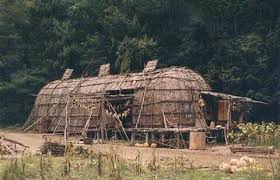
A Friendsgiving in South Jersey is thus a small act of repair and a large act of hope. It says: we hold both gratitude and history at this table. It says: the first thanksgivings of this land were not in Plymouth but here, among the Lenape and their neighbors, and they continue. It says: the Quaker experiment is not finished; it is still unfolding, one covered dish at a time, one welcomed stranger at a time, one shared silence at a time. And it says, with the old Friends’ testimony: there is that of God in every person, and every person is welcome at the table.
Peoples all across the World, across the Americas, and throughout Turtle Island have many practices of offering Thanks!
Long before the 1621 Plymouth harvest, Wampanoag, Lenape and many, many other Indigenous nations practiced seasonal gratitude ceremonies across the Northeast, while Europeans had already interacted with Wampanoag communities for over a century; today, many Wampanoag people and allies mark U.S. Thanksgiving annually with the National Day of Mourning in Plymouth, Massachusetts. [1, 2, 3, 4, 5]
Pre-Thanksgiving Histories Before 1621
- Indigenous Gratitude and Harvest Traditions: Wampanoag communities have lived in southeastern Massachusetts and Rhode Island for more than 12,000 years. As detailed in Wampanoag Traditions of Giving Thanks, thanksgiving was a daily practice and a core part of seasonal ceremonies tied to the thirteen lunar moons, early spring planting hopes, fall harvests, and crops such as strawberries and cranberries. [1, 2, 3]
- A Century of European Contact: Wampanoag and other Native nations had roughly a century of contact with European explorers, fishermen, and traders before 1620. Some encounters involved violent raids and abductions—such as Thomas Hunt kidnapping 27 Wampanoag men into Spanish slavery in 1614, including Tisquantum (Squanto), who later returned and spoke English. [1, 2, 3, 4, 5, 6]
- Epidemic Crisis and Regional Politics: Between 1616 and 1619, an epidemic introduced through European contact (“the Great Dying”) devastated coastal Wampanoag villages, including Patuxet, leaving surviving communities weakened and facing pressure from rival neighbors like the Narragansett.[1, 2, 3, 4]
- Strategic Diplomacy in 1620–1621: When English settlers arrived in late 1620 on Wampanoag homeland, Wampanoag Great Sachem Ousamequin (Massasoit) entered a calculated political and defensive alliance in March 1621 rather than acting out of simple romance or assimilation. The autumn 1621 harvest gathering—involving roughly 90 Wampanoag men and about 50 English colonists over three days—was later reframed in the 19th and 20th centuries into the popular “First Thanksgiving” myth. [1, 2, 3, 4, 5, 6]
Wampanoag Annual Response to Thanksgiving Day
- National Day of Mourning (Since 1970): Many Wampanoag people, Indigenous advocates, and allies observe Thanksgiving Day as the National Day of Mourning, gathering annually at noon on Cole’s Hill in Plymouth, Massachusetts, followed by a march. [1, 2, 3]
- Origins: The observance began in 1970 after Wampanoag leader Wamsutta Frank James was asked to deliver a speech for a Pilgrim anniversary dinner and state officials objected to his planned remarks on colonial violence, land loss, and broken treaties. [1, 2]
- Purpose and Perspectives: Organized with the United American Indians of New England (UAINE), the annual gathering honors ancestors, highlights Indigenous survival and sovereignty, and protests ongoing inequities and historical erasure. While many Wampanoag people view Thanksgiving through mourning and resistance, individual Wampanoag families and community members also hold varied views—some focusing on private family gratitude, daily thanksgiving traditions, and cultural continuity.[1, 2, 3, 4, 5]
- Recent Developments: Ahead of the 57th annual National Day of Mourning on November 26, 2026, tensions flared in Plymouth between UAINE and town officials over logistics and the 1998 agreement governing the gathering, though organizers confirmed the event is proceeding at noon. [1, 2]
Next steps explore 17th-century primary accounts of 1621, King Philip’s War (1675–1676), and/or Indigenous-led educational resources on Wampanoag history?
Thanksgiving Cliffs City Meal – November 26, 2026 – (a description of our family meal traditions)
Roasted turkey with Stuffing. Sides – cornbread dressing (Veg) with nuts, Mashed Potatoes & Gravy, Sweet and Hominy Corn, Butternut Squash Roasted and seasoned, Rice, Sweet Cornbread, Muffins, Rolls & Biscuits, Cookies, Classic & New Pies, Red Sauce Shepherd’s Pie – A Tex-Mex tradition, Warm Crab Dip, Crisp and cool, Fresh Coleslaw, Beans (Usually Black Eyed Peas), Okra & Tomato, Canned Peas, Cranberry Sauce & Jelly, Oysters 🦪, Cheeseboard with pickles, nuts, and jelly, Fresh Fruit, Whipped Cream for topping on Pie.
A Note on the Day, First Plymouth practice of Thanksgiving
Long before 1621, the Wampanoag practiced daily and seasonal gratitude ceremonies on this land for over 12,000 years. When the Mayflower arrived in 1620, the Wampanoag Great Sachem Ousamequin (Massasoit) entered a strategic alliance with the English in March 1621. The Mayflower Compact, signed that November, established a “civil body politic” among the Pilgrims—our Hopkins, Snow, Hathaway, and Warren ancestors among them. The autumn 1621 gathering of roughly 90 Wampanoag men and 50 colonists over three days was later reframed as the “First Thanksgiving.” In 1675, King Philip’s War (Metacom’s War) began—a devastating conflict in which our families were involved, followed by efforts to create peace. This year marks the 350th anniversary of that war’s outbreak.
Today, many Wampanoag and allies observe Thanksgiving as the National Day of Mourning (since 1970) at Cole’s Hill in Plymouth. We hold both gratitude and history at this table.


Leave a Reply